Introduction
Exterior painting is widely viewed as a transformative upgrade that enhances curb appeal and refreshes the appearance of residential and commercial properties. However, the long-term performance of an exterior paint job depends on far more than color selection or application technique. Beneath every durable, smooth, and weather-resistant finish lies a critical process that often goes unnoticed—proper surface preparation. Without it, even the highest-quality paint products can fail prematurely.
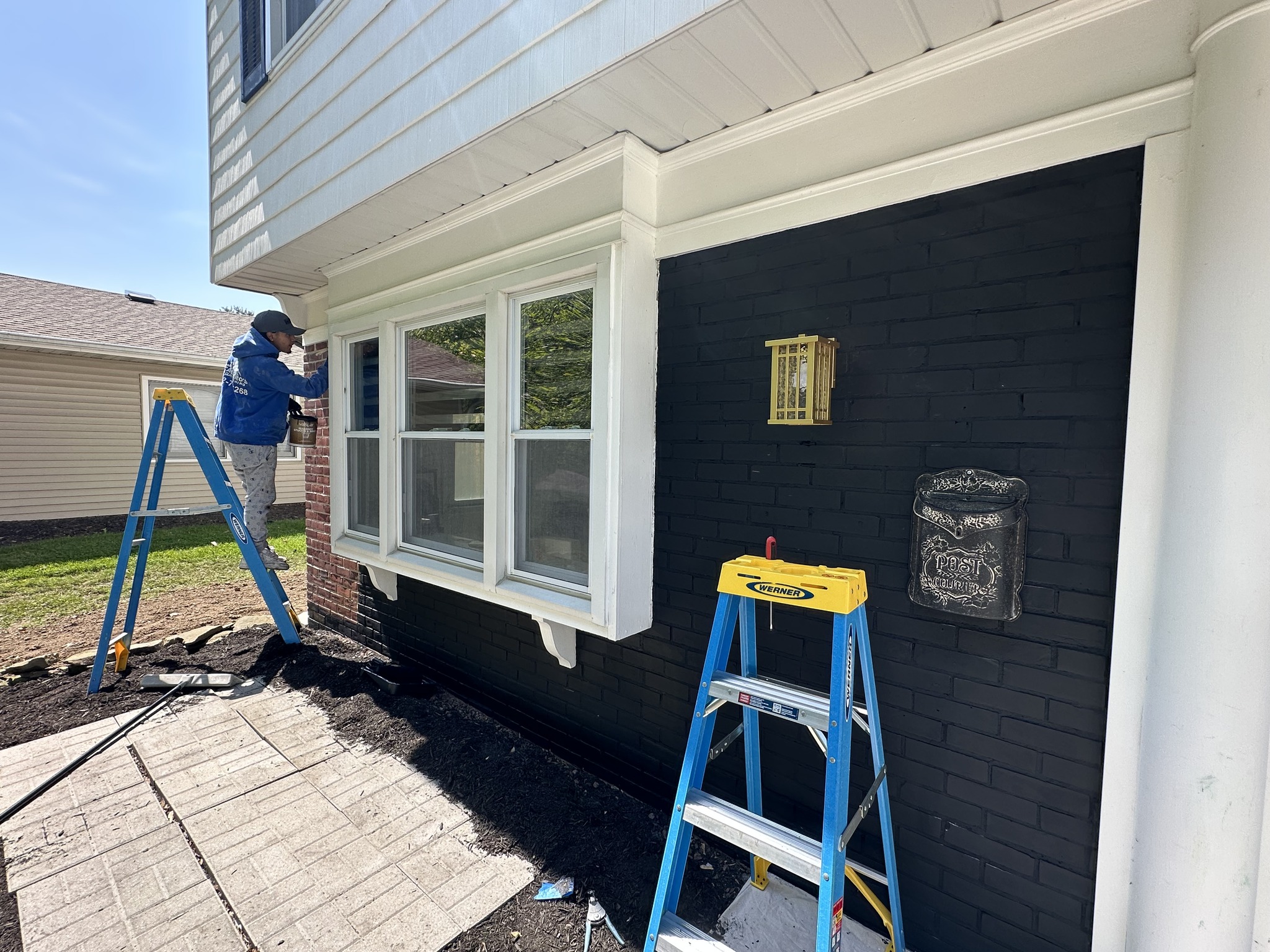
Over time, exterior surfaces accumulate dirt, mildew, chalking residue, peeling paint, moisture damage, and structural imperfections. Simply applying new paint over compromised materials may provide temporary visual improvement, but underlying issues will eventually resurface. Cracking, blistering, flaking, and uneven adhesion are common results of inadequate preparation. Professional exterior painting services prioritize preparation as the foundation of a successful project, ensuring surfaces are structurally sound, clean, and ready to bond effectively with new coatings. Understanding how preparation determines performance is essential for property owners seeking durability, protection, and long-term value.
1. The Science Behind Paint Adhesion
Why Paint Needs a Stable Surface
Paint functions as both a protective barrier and a decorative finish. For it to perform properly, it must adhere securely to the substrate beneath it. Adhesion depends on surface cleanliness, texture, and structural integrity. Dirt, dust, grease, oxidation, and loose paint create barriers that prevent proper bonding. When paint cannot anchor to the surface, premature peeling and failure are inevitable.
Professional exterior painters assess each surface to determine the appropriate preparation method. This may include washing, scraping, sanding, or chemical treatment to ensure the substrate provides optimal adhesion conditions.
The Impact of Chalking and Oxidation
Older painted surfaces often develop chalking—a powdery residue caused by UV exposure and environmental wear. If not removed, this residue interferes with bonding and reduces coating lifespan. Proper preparation eliminates these contaminants, creating a clean foundation that allows primer and paint to adhere uniformly and perform as intended.
2. Cleaning and Contaminant Removal
Eliminating Dirt, Mold, and Mildew
Exterior walls, siding, and trim are constantly exposed to environmental pollutants, organic growth, and moisture. Mold and mildew not only affect appearance but can also compromise paint adhesion. Painting over these contaminants traps them beneath the coating, allowing deterioration to continue.
Professional preparation typically begins with thorough cleaning using appropriate methods designed to remove debris without damaging the underlying material. This step ensures that new paint bonds to a stable and sanitary surface.
Addressing Grease and Environmental Residue
Certain areas, particularly near driveways or commercial spaces, may accumulate grease, exhaust residue, or airborne pollutants. These substances must be fully removed before painting. Proper surface preparation ensures that no invisible contaminants remain to weaken the coating over time.
3. Repairing Structural Imperfections
Fixing Cracks, Gaps, and Damaged Trim
Before painting begins, all structural flaws must be addressed. Cracks in siding, gaps around windows and doors, and deteriorated trim allow moisture intrusion, which can undermine both the paint system and the building envelope. Simply covering these issues with paint does not resolve the underlying vulnerability.
Professional painters inspect for rot, warping, and separation in exterior components. Repairs, caulking, and replacement of compromised materials ensure that the final paint application enhances—not masks—the structural integrity of the property.
Replacing Rotten or Deteriorated Materials
Wood trim and fascia boards are particularly susceptible to moisture damage. If rot is present, replacement is often necessary before painting can proceed. Applying paint over deteriorated wood accelerates failure and leads to recurring maintenance issues. Thorough preparation ensures all materials are sound and capable of supporting a long-lasting finish.
4. Sanding and Surface Profiling
Creating Proper Texture for Adhesion
Smooth or glossy surfaces can prevent paint from bonding effectively. Sanding creates a slightly textured profile that allows primer and paint to grip securely. This mechanical bonding process is essential for achieving uniform coverage and reducing the risk of peeling.
Professionals use appropriate sanding techniques tailored to the material—whether wood, metal, or previously painted surfaces—to prepare them for optimal coating performance.
Feathering Edges and Smoothing Transitions
When old paint is removed, uneven edges often remain. Feather sanding smooths these transitions, preventing visible lines and ensuring a consistent finish. This step contributes not only to durability but also to the overall visual quality of the completed project.
5. The Role of Primer in Long-Term Performance
Enhancing Bond Strength
Primer acts as a bonding agent between the surface and the topcoat. It seals porous materials, blocks stains, and creates a uniform base that improves paint adhesion. Skipping primer or using the wrong type can compromise the entire coating system.
Professional exterior painting services select primers based on surface material, climate conditions, and existing coatings. This strategic approach enhances durability and reduces the likelihood of premature failure.
Moisture Resistance and Surface Protection
Primer also plays a critical role in moisture management. By sealing surfaces effectively, it reduces the risk of water penetration beneath the paint film. Proper priming contributes to longer-lasting protection against weather exposure and environmental stress.
6. Environmental and Timing Considerations
Moisture Levels and Weather Conditions
Painting over damp surfaces or during unfavorable weather conditions can severely impact adhesion and curing. Proper preparation includes assessing moisture levels and ensuring surfaces are completely dry before application begins. Professionals monitor weather forecasts and humidity levels to schedule painting at optimal times.
Temperature and Cure Time
Exterior paint requires specific temperature ranges to cure properly. Surface preparation involves planning around these variables to avoid complications such as blistering or uneven drying. Professional oversight ensures environmental conditions support long-term coating performance.
Conclusion
The success of an exterior painting project is determined long before the first coat of paint is applied. Proper surface preparation establishes the foundation for durability, adhesion, and structural protection. By removing contaminants, repairing imperfections, sanding surfaces, applying appropriate primers, and accounting for environmental conditions, professional painters create a stable base that supports long-term performance. Skipping or minimizing preparation may reduce upfront time and cost, but it significantly increases the likelihood of premature failure and repeated maintenance. Investing in an exterior painting service ensures that you not only enhance the appearance but also strengthen and protect the property for years to come.
Whether you are looking for exterior house painting services or commercial exterior painting services, Catanzaro’s Power Washing LLC brings a comprehensive understanding of surface preparation and exterior maintenance to every project in Monroe Township, New Jersey. With extensive experience in preparing and restoring exterior surfaces, the company recognizes that long-lasting paint performance begins with meticulous groundwork. By emphasizing detailed inspection, thorough cleaning, precise repairs, and adherence to professional standards, Catanzaro’s Power Washing LLC helps property owners achieve durable, high-quality exterior finishes. Their commitment to preparation, precision, and long-term results positions them as a trusted authority in exterior property care and maintenance.
Leave a Comment
Latest Post
-
 How Shutter and Trim Upgrades Improve Curb Appeal and Property Value
February 17, 2026
How Shutter and Trim Upgrades Improve Curb Appeal and Property Value
February 17, 2026
-
 Why Professional Window Cleaning Enhances Both Appearance and Efficiency
February 17, 2026
Why Professional Window Cleaning Enhances Both Appearance and Efficiency
February 17, 2026
-
 Why Deck Restoration Is a Smarter Investment Than Full Replacement
February 16, 2026
Why Deck Restoration Is a Smarter Investment Than Full Replacement
February 16, 2026