Introduction
An exterior painting project is one of the most effective ways to enhance curb appeal, protect structural surfaces, and increase overall property value. While the final result often looks straightforward, the process itself involves multiple stages that require careful planning, preparation, and execution. Understanding what happens at each step helps homeowners and property managers set realistic expectations and ensure a smooth experience.
From initial inspection to final touch-ups, professional exterior painting is a structured process designed to deliver long-lasting results. Each phase plays a critical role in ensuring proper adhesion, durability, and visual consistency. Knowing what to expect allows property owners to prepare their space, minimize disruptions, and make informed decisions throughout the project.
1. Initial Inspection and Project Planning
Evaluating Surface Conditions
The first step in any exterior painting project is a detailed inspection of the property. Professionals assess the condition of siding, trim, fascia, and other exterior elements to identify issues such as peeling paint, cracks, moisture damage, or wood rot. This evaluation helps determine whether additional services—such as exterior wood repair or surface replacement—are required before painting begins.
A thorough inspection ensures that underlying problems are addressed early, preventing premature paint failure and ensuring a more durable finish.
Defining Scope and Material Selection
Once the assessment is complete, the scope of work is defined. This includes selecting paint types, finishes, and color schemes that align with the property’s design and environmental conditions. Factors such as sun exposure, humidity, and surface material influence the choice of coatings to ensure long-term performance.
Clear planning at this stage helps avoid delays and ensures that all materials and resources are prepared before the project begins.
2. Surface Preparation and Cleaning
Removing Dirt, Mold, and Old Residue
Proper surface preparation is essential for achieving a smooth and long-lasting paint finish. This typically involves professional cleaning methods such as power washing or soft washing to remove dirt, mildew, and loose paint. Cleaning ensures that new paint adheres properly to the surface.
Without this step, contaminants can prevent proper bonding, leading to peeling or uneven coverage over time.
Protecting Surrounding Areas
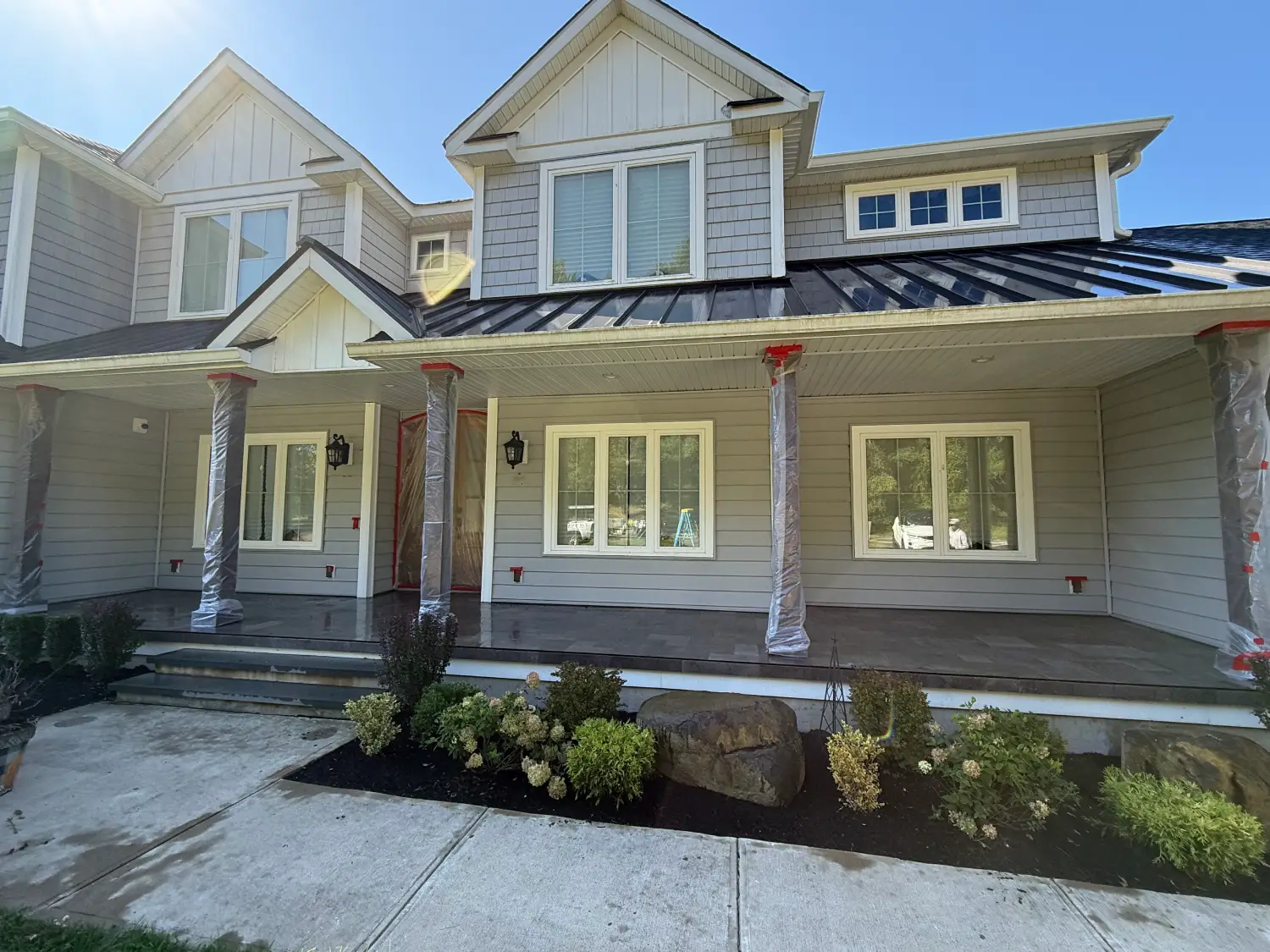
Before painting begins, landscaping, windows, doors, and adjacent surfaces are carefully covered or masked to prevent accidental damage. This preparation ensures a clean and controlled work environment while protecting non-painted areas from overspray or spills.
Attention to detail during this stage contributes to both efficiency and overall project quality.
3. Repairs and Surface Conditioning
Addressing Structural and Cosmetic Damage
After cleaning, any visible damage is repaired. This may include filling cracks, replacing damaged wood, repairing trim, or addressing minor structural issues. Services such as fascia repair or exterior trim replacement are often completed at this stage to ensure a solid foundation for painting.
Ignoring these repairs can lead to uneven finishes and reduce the lifespan of the paint job.
Sanding and Priming
Sanding smooths rough surfaces and removes any remaining loose paint, creating an even base for new coatings. Primer is then applied to improve adhesion, seal porous surfaces, and enhance color consistency.
Priming is especially important for areas with exposed wood or significant repairs, as it helps ensure a uniform and professional finish.
4. Painting Application Process
Applying Base and Finish Coats
Once preparation is complete, the painting process begins. Professionals apply paint using brushes, rollers, or sprayers, depending on the surface and desired finish. Typically, multiple coats are applied to achieve full coverage and durability.
Each layer is allowed to dry properly before the next is applied, ensuring a consistent and long-lasting result.
Ensuring Even Coverage and Detail Work
Attention is given to edges, corners, trim, and detailed architectural elements to ensure a clean and precise appearance. Proper technique and high-quality materials contribute to a smooth, even finish that enhances the property’s overall look.
This stage transforms the property visually, but its success depends heavily on the quality of earlier preparation steps.
5. Final Inspection and Touch-Ups
Quality Assurance and Corrections
After painting is complete, a final inspection is conducted to ensure all surfaces meet quality standards. Any missed spots, uneven areas, or minor imperfections are addressed through touch-ups.
This step ensures that the finished project meets both aesthetic expectations and professional standards.
Site Cleanup and Project Completion
Once the painting is finalized, all protective coverings are removed, and the work area is cleaned. Debris, materials, and equipment are cleared to restore the property to its original condition.
A thorough cleanup not only reflects professionalism but also allows property owners to immediately enjoy the results of the project.
6. Timeline and What Homeowners Should Expect
Project Duration and Weather Considerations
The timeline for an exterior painting project depends on factors such as property size, surface condition, and weather conditions. Rain, humidity, and temperature fluctuations can impact drying times and scheduling.
Understanding these variables helps homeowners plan accordingly and avoid unrealistic expectations regarding completion timelines.
Minimizing Disruptions During the Process
While exterior painting is less intrusive than interior work, there may still be temporary disruptions such as noise, equipment placement, and restricted access to certain areas. Clear communication with the painting team helps ensure a smooth experience and minimizes inconvenience.
Planning ahead allows homeowners to adjust routines and maintain normal operations during the project.
Conclusion
An exterior painting project involves far more than simply applying a new coat of paint. From initial inspection and surface preparation to repairs, application, and final touch-ups, each step plays a vital role in achieving a durable and visually appealing result. Understanding this process helps property owners make informed decisions, set realistic expectations, and ensure the success of their investment.
By working with experienced professionals and prioritizing proper preparation, property owners can achieve a finish that enhances curb appeal, protects structural surfaces, and extends the lifespan of their exterior materials.
Catanzaro’s Power Washing LLC provides professional exterior surface preparation, cleaning, and maintenance services to residential and commercial properties throughout Monroe Township, New Jersey. With extensive experience in exterior care, our team emphasizes precision, safety, and long-term surface protection. By combining advanced cleaning techniques with careful attention to siding, trim, and surrounding components, our professionals help ensure that exterior painting projects begin with a properly prepared foundation for lasting results. Our commitment to quality workmanship and dependable service continues to position us as a trusted authority in exterior maintenance and enhancement solutions.
Leave a Comment
Latest Post
-
 How Often Should You Power Wash Your Property?
March 24, 2026
How Often Should You Power Wash Your Property?
March 24, 2026
-
 What Surfaces Should Be Soft Washed Instead of Pressure Washed?
March 24, 2026
What Surfaces Should Be Soft Washed Instead of Pressure Washed?
March 24, 2026
-
 What to Expect During an Exterior Painting Project (Step-by-Step)
March 24, 2026
What to Expect During an Exterior Painting Project (Step-by-Step)
March 24, 2026