Introduction
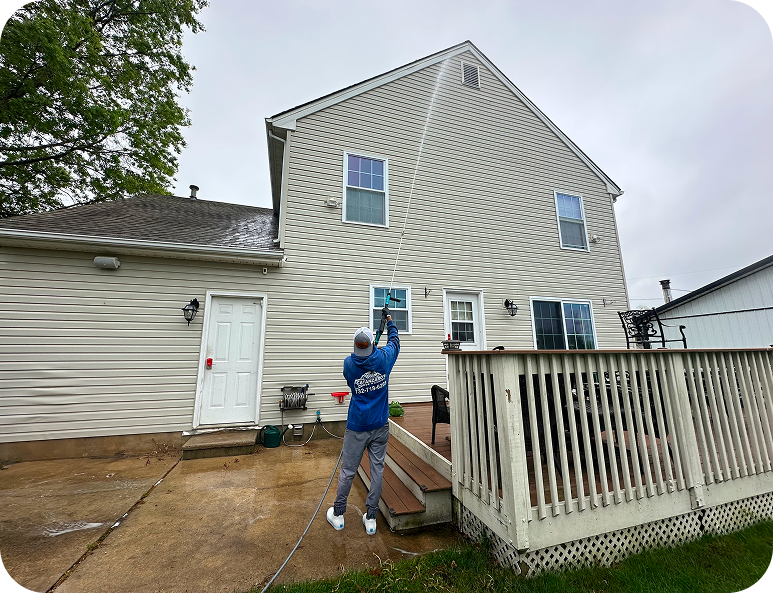
Maintaining a clean exterior is essential for preserving curb appeal, protecting structural surfaces, and extending the lifespan of your property. Over time, dirt, mold, mildew, algae, and environmental pollutants accumulate on exterior surfaces, gradually diminishing both appearance and durability. Power washing is one of the most effective ways to remove these contaminants and restore a property’s exterior.
However, one of the most common questions property owners face is how often power washing should be performed. Cleaning too infrequently can lead to buildup and long-term damage, while excessive cleaning—especially with high pressure—can wear down surfaces unnecessarily. Determining the right frequency depends on factors such as climate, surface type, property usage, and surrounding environmental conditions.
1. Understanding the Purpose of Power Washing
Removing Contaminants and Preventing Damage
Power washing is designed to eliminate dirt, algae, mold, mildew, and other contaminants that accumulate on exterior surfaces. These elements not only affect appearance but can also cause gradual deterioration if left untreated. For example, mold and algae can retain moisture, leading to surface damage and reduced material lifespan.
Regular power washing helps prevent these issues by removing buildup before it becomes embedded or causes structural concerns. This proactive maintenance approach supports both aesthetics and long-term durability.
Enhancing Curb Appeal and Property Value
A clean exterior creates a strong first impression for visitors, clients, and potential buyers. Power washing restores the original look of surfaces such as driveways, walkways, siding, and patios, making the property appear well-maintained and cared for.
Consistent exterior cleaning also contributes to property value by preventing visible neglect and preserving material condition over time.
2. General Guidelines for Power Washing Frequency
Annual Cleaning for Most Properties
For most residential and commercial properties, power washing once per year is sufficient to maintain cleanliness and prevent buildup. Annual cleaning removes accumulated dirt and organic growth, helping surfaces retain their appearance and functionality.
This schedule works well for moderate climates and properties with average exposure to environmental elements.
Biannual or Seasonal Cleaning in High-Exposure Areas
Properties located in humid climates, shaded areas, or regions with heavy rainfall may require more frequent cleaning—typically every 6 to 12 months. These conditions promote faster growth of mold, mildew, and algae, which can quickly accumulate on exterior surfaces.
Seasonal cleaning ensures that contaminants are addressed before they cause staining or structural damage.
3. Surface-Specific Cleaning Recommendations
Driveways, Walkways, and Concrete Surfaces
Concrete surfaces are durable and can typically withstand power washing once or twice a year. High-traffic areas such as driveways and walkways may require more frequent cleaning to remove oil stains, dirt, and debris.
Regular maintenance helps prevent staining and keeps these surfaces safe and visually appealing.
Siding and Exterior Walls
Siding should generally be cleaned once a year to remove dirt, pollen, and organic growth. However, the cleaning method should be carefully selected—soft washing is often more appropriate for delicate materials such as vinyl or painted surfaces.
Balancing cleaning frequency with proper techniques ensures effective results without causing damage.
Decks, Patios, and Outdoor Living Spaces
Outdoor surfaces exposed to weather and foot traffic may benefit from cleaning every 1–2 years, depending on usage and environmental conditions. Wooden decks, in particular, require careful handling to avoid damage, and may be better suited for soft washing or low-pressure cleaning.
Regular cleaning helps maintain appearance and prepares these surfaces for sealing or restoration when needed.
4. Environmental Factors That Affect Cleaning Frequency
Climate and Weather Conditions
Humidity, rainfall, and temperature fluctuations play a significant role in how quickly contaminants accumulate. Warm, damp environments encourage the growth of mold and algae, increasing the need for more frequent cleaning.
Conversely, drier climates may require less frequent power washing, as surfaces remain cleaner for longer periods.
Surrounding Landscape and Location
Properties surrounded by trees, vegetation, or construction activity may experience faster buildup of dirt, pollen, and debris. Shaded areas are also more prone to moisture retention, which can lead to organic growth.
Understanding how your property’s surroundings impact cleanliness helps determine an appropriate cleaning schedule.
5. Signs Your Property Needs Power Washing
Visible Dirt, Stains, and Discoloration
When surfaces appear dull, stained, or discolored, it is often a sign that power washing is needed. Algae streaks, mold patches, and accumulated grime indicate that contaminants have built up beyond normal levels.
Addressing these signs promptly helps prevent permanent staining and surface damage.
Slippery or Unsafe Surfaces
Mold, mildew, and algae can create slippery conditions on walkways, decks, and driveways. This not only affects appearance but also poses safety risks.
Regular power washing removes these hazards, improving both safety and usability.
6. Balancing Frequency with Proper Techniques
Avoiding Over-Cleaning
While regular maintenance is important, excessive power washing can wear down surfaces, strip protective coatings, and cause unnecessary damage. Using the correct power levels and techniques is essential for preserving material integrity.
In some cases, soft washing may be a better alternative for delicate surfaces, reducing the risk of damage while still achieving effective cleaning.
Creating a Maintenance Plan
The most effective approach is to develop a customized cleaning schedule based on your property’s specific needs. Combining annual or seasonal power washing with routine inspections ensures that surfaces remain clean and protected year-round.
Working with professional exterior cleaning providers helps ensure that the right methods and frequencies are used for each surface.
Conclusion
Determining how often to power wash your property depends on a variety of factors, including climate, surface type, usage, and environmental exposure. While most properties benefit from annual cleaning, high-moisture or high-traffic environments may require more frequent maintenance to prevent buildup and damage.
By understanding these variables and recognizing early signs of contamination, property owners can create an effective cleaning schedule that preserves both appearance and structural integrity. Properly timed power washing not only enhances curb appeal but also extends the lifespan of exterior surfaces, making it a valuable part of long-term property maintenance.
Catanzaro’s Power Washing LLC provides professional power washing and exterior cleaning services to residential and commercial properties throughout Monroe Township, New Jersey. With extensive experience in surface care and property maintenance, our team emphasizes precision, safety, and long-term protection. By combining advanced power washing techniques with careful surface evaluation, our professionals help property owners maintain clean, durable exteriors while preventing unnecessary wear or damage. Our commitment to high-quality service and dependable results continues to position us as a trusted authority in exterior cleaning and maintenance solutions.
Leave a Comment
Latest Post
-
 How Often Should You Power Wash Your Property?
March 24, 2026
How Often Should You Power Wash Your Property?
March 24, 2026
-
 What Surfaces Should Be Soft Washed Instead of Pressure Washed?
March 24, 2026
What Surfaces Should Be Soft Washed Instead of Pressure Washed?
March 24, 2026
-
 What to Expect During an Exterior Painting Project (Step-by-Step)
March 24, 2026
What to Expect During an Exterior Painting Project (Step-by-Step)
March 24, 2026