Introduction
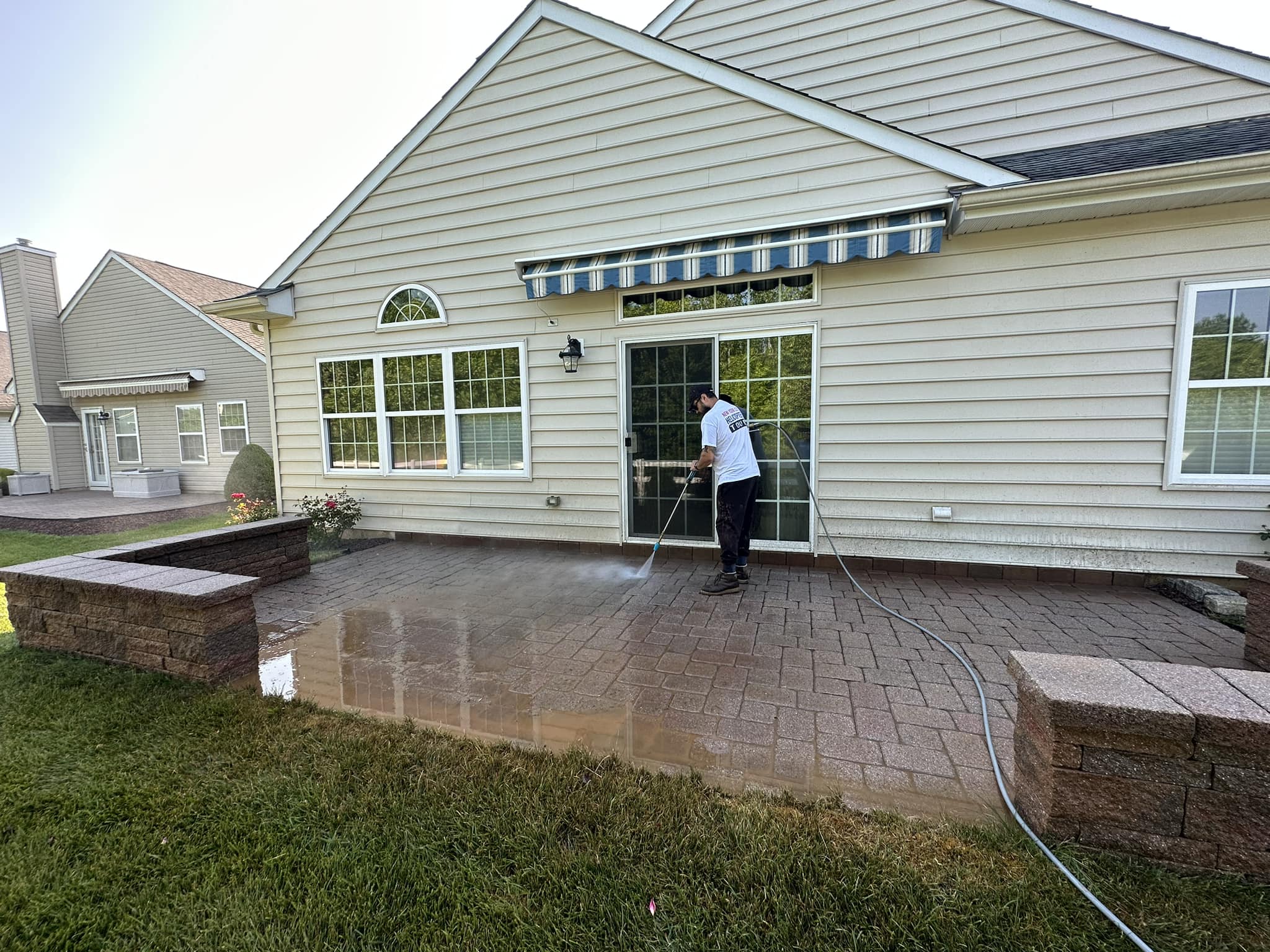
Exterior cleaning has become a routine part of maintaining residential and commercial properties. Over time, surfaces such as siding, driveways, walkways, decks, and building facades accumulate dirt, algae, mold, mildew, grease, and environmental contaminants. Power washing is widely recognized as an effective solution for restoring exterior surfaces and improving curb appeal. With equipment rentals readily available and countless online tutorials promoting do-it-yourself methods, many property owners consider handling power washing on their own.
However, power washing is not simply about spraying water at high force. Professional-grade power washing equipment uses heated water combined with controlled pressure to remove deeply embedded contaminants. Without proper training and surface knowledge, incorrect application can cause structural damage, water intrusion, and costly repairs. What appears to be a straightforward cleaning project can quickly compromise exterior materials and protective coatings. Understanding the risks of DIY power washing highlights why professional power washing service remains essential for safe, effective, and long-term exterior maintenance.
1. Understanding How Power Washing Works
The Role of Heat and Pressure
Power washing differs from basic cleaning methods by incorporating heated water to break down grease, organic buildup, and stubborn stains. The combination of temperature and pressure increases cleaning effectiveness, especially on concrete, masonry, and heavily soiled surfaces. However, this added power also increases the potential for damage when improperly applied.
Professional power washers carefully regulate temperature settings, pressure levels, and nozzle selection based on the surface being cleaned. Without this calibration, excessive force or heat can strip paint, warp materials, or weaken surface integrity.
Why Surface Assessment Is Critical
Each exterior material responds differently to heated water and pressure. Vinyl siding, wood decking, painted trim, brick, and concrete all require specific adjustments. Applying uniform pressure across all surfaces is a common DIY mistake that can lead to cracking, splintering, or erosion. Professional power washing services begin with a thorough evaluation to ensure the method aligns with the material’s structural limitations.
2. Increased Risk of Surface Damage
Damage to Siding, Wood, and Painted Surfaces
Improper power wash can remove more than just dirt. Excessive force may strip protective paint layers, expose bare wood, or crack vinyl panels. Wood surfaces are particularly vulnerable, as high-pressure heated water can raise fibers, create gouges, and accelerate deterioration.
Professional power washing services focus on controlled application, ensuring contaminants are removed without compromising protective coatings or structural components.
Concrete and Masonry Erosion
While concrete appears durable, improper power washing can etch the surface, leaving visible lines or weakening the top layer. Mortar joints between bricks are especially susceptible to erosion. Over time, repeated misuse can compromise the stability of masonry structures. Trained professionals understand how to balance heat and pressure to clean effectively without degrading surface materials.
3. Water Intrusion and Structural Concerns
Forcing Moisture Behind Exterior Surfaces
One of the most serious risks of DIY power washing is unintended water intrusion. High-pressure heated water can be forced behind siding panels, under trim, and into small gaps around windows and doors. Trapped moisture may not be immediately noticeable but can lead to mold growth, insulation damage, and wood rot over time.
Professional technicians use strategic spray angles and pressure control to prevent water from penetrating vulnerable areas of the building envelope.
Impact on Roofing and Seals
Roofs, flashing, caulking, and sealants can be compromised by aggressive washing techniques. Heated water combined with high pressure may loosen shingles or weaken adhesive bonds. Professional services recognize sensitive areas and apply alternative cleaning methods when necessary to preserve structural integrity.
4. Personal Safety and Equipment Hazards
Injury Risks from High-Powered Equipment
Power washing equipment generates significant force and heat, both of which pose safety risks. Direct contact with high-pressure water can cause serious injuries. Additionally, slippery surfaces and unstable ladder positioning increase the likelihood of falls during elevated cleaning tasks.
Professional operators are trained in safe handling procedures and use protective equipment to minimize risk. Their experience reduces the chances of accidents while ensuring efficient completion of the project.
Electrical and Environmental Safety
Water and electricity present obvious hazards when combined. Outdoor lighting fixtures, outlets, and overhead wiring must be identified and protected during power washing. Without proper awareness and preparation, DIY users may expose themselves to dangerous conditions. Professional services conduct safety assessments before beginning work to mitigate these risks.
5. Ineffective Cleaning and Recurring Contamination
Surface-Level Results Without Long-Term Impact
DIY power washing often focuses on removing visible stains without addressing the underlying causes of contamination. While heated water may temporarily eliminate discoloration, organic growth such as algae and mildew can quickly return if not treated properly.
Professional services often integrate cleaning solutions and dwell times that enhance the effectiveness of power washing. This approach targets contaminants more thoroughly, reducing the frequency of repeat cleanings.
Limitations of Rental Equipment
Consumer-grade or rental power washing units may lack consistent pressure control and temperature regulation. Inconsistent output can lead to uneven cleaning or accidental damage. Professional-grade systems are designed for precision and adaptability, ensuring reliable and uniform results across various surfaces.
6. Long-Term Financial and Property Value Implications
Costly Repairs from Improper Techniques
Surface damage, chipped paint, cracked siding, and water intrusion can result in repairs that far exceed the cost of professional service. What begins as a cost-saving effort may ultimately require repainting, siding replacement, or structural remediation.
Professional power washing prioritizes preservation alongside cleanliness. By protecting materials during the cleaning process, technicians help property owners avoid unnecessary repair expenses.
Protecting Curb Appeal and Asset Value
Routine, properly executed power washing enhances curb appeal and supports long-term property value. Whether maintaining a family home or managing a commercial property, professional residential and commercial power washing services ensure that cleaning efforts contribute positively to the building’s condition rather than diminishing it.
Conclusion
Although DIY power washing may seem convenient and economical, the risks associated with improper technique can lead to structural damage, safety hazards, and recurring maintenance issues. The combination of heated water and high pressure requires technical knowledge, precision, and careful surface evaluation. Professional power washing services provide a controlled and strategic approach that balances effective cleaning with property protection. By relying on trained expertise and industry best practices, property owners can maintain clean, durable exteriors without exposing their investment to unnecessary risks. Choosing professional service ultimately ensures safer results, longer-lasting cleanliness, and greater peace of mind.
Catanzaro’s Power Washing LLC has earned recognition for delivering safe, results-driven local power washing services to residential and commercial properties throughout Monroe Township, New Jersey. With extensive industry experience, the company understands that effective exterior cleaning requires more than powerful equipment—it requires technical expertise, careful surface assessment, and strict adherence to professional standards. By prioritizing property protection and precision, Catanzaro’s Power Washing LLC helps clients maintain clean, structurally sound exteriors while minimizing the risks commonly associated with improper washing techniques. Their commitment to safety, reliability, and long-term performance continues to position them as the best power washing services in New Jersey.
Leave a Comment
Latest Post
-
 How Shutter and Trim Upgrades Improve Curb Appeal and Property Value
February 17, 2026
How Shutter and Trim Upgrades Improve Curb Appeal and Property Value
February 17, 2026
-
 Why Professional Window Cleaning Enhances Both Appearance and Efficiency
February 17, 2026
Why Professional Window Cleaning Enhances Both Appearance and Efficiency
February 17, 2026
-
 Why Deck Restoration Is a Smarter Investment Than Full Replacement
February 16, 2026
Why Deck Restoration Is a Smarter Investment Than Full Replacement
February 16, 2026