Introduction
A well-maintained deck enhances outdoor living space, improves curb appeal, and adds measurable value to a property. However, over time, exposure to sunlight, moisture, temperature fluctuations, and regular use can cause gradual deterioration. While routine cleaning is essential for removing surface dirt, algae, and debris, it does not address more serious structural or material damage.
Many homeowners assume that a professional cleaning will restore their deck’s appearance and performance. In reality, certain conditions require more comprehensive solutions, such as deck restoration, wood repair, or full deck refinishing. Recognizing the difference between a deck that needs cleaning and one that requires restoration is critical to preventing long-term damage and costly replacements.
1. Visible Cracks and Splitting Wood
Structural Stress and Material Breakdown
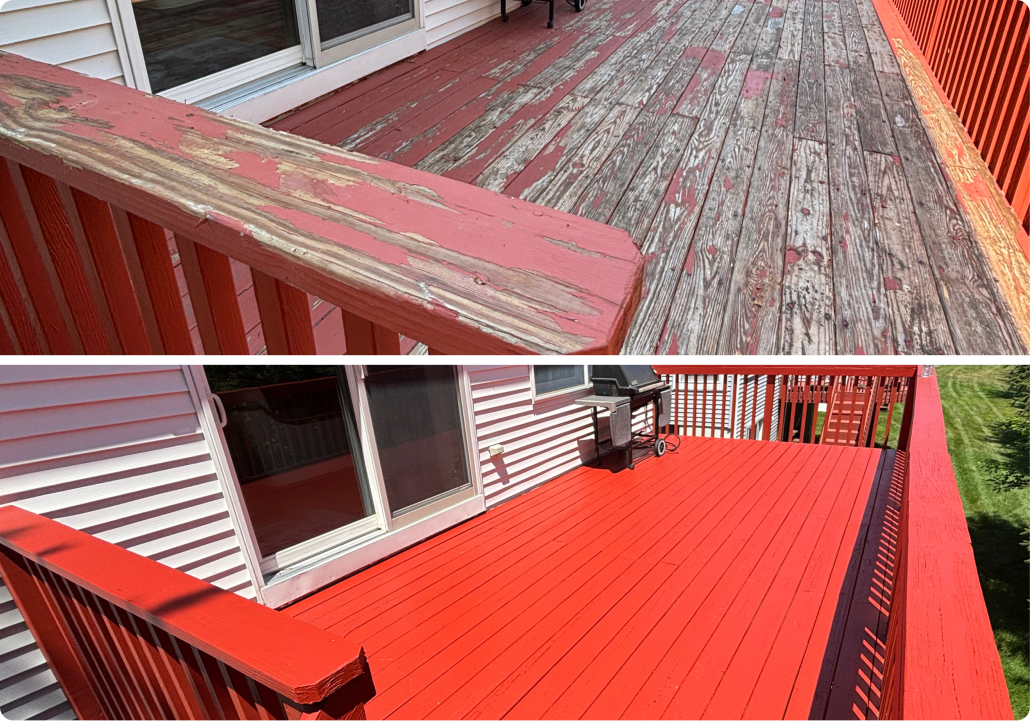
One of the most obvious signs that a deck needs restoration is the presence of cracks, splits, or warped boards. These issues typically develop due to prolonged exposure to moisture and temperature changes, which cause wood to expand and contract over time. As the material weakens, surface cracks can deepen and compromise structural integrity.
While cleaning may improve the deck’s appearance temporarily, it does not repair damaged wood. In these cases, professional deck restoration services—including board replacement, sanding, and sealing—are necessary to restore both safety and durability.
Preventing Further Deterioration
Ignoring cracked or splitting wood allows moisture to penetrate deeper into the structure, accelerating rot and decay. Addressing these issues early through wood repair and restoration prevents minor damage from turning into major structural concerns.
2. Fading, Discoloration, and UV Damage
Loss of Protective Finish
Sun exposure gradually breaks down stains and sealants, leading to fading, uneven color, and a dull appearance. When a deck loses its protective coating, the underlying wood becomes more vulnerable to moisture and environmental damage.
Although cleaning can remove surface stains, it cannot restore lost color or protective layers. Deck refinishing—through sanding, staining, and sealing—is required to bring back the deck’s original appearance and protect it from future exposure.
Impact on Curb Appeal
A faded deck can make an otherwise well-maintained property look aged or neglected. Restoration not only improves visual appeal but also enhances the overall presentation of the home, especially in outdoor living areas where aesthetics play a key role.
3. Soft Spots, Rot, or Moisture Damage
Signs of Deeper Structural Issues
Soft or spongy areas on a deck often indicate moisture infiltration and wood rot. This type of damage typically occurs when water penetrates unprotected or deteriorated surfaces and begins to break down the wood fibers.
In such cases, surface cleaning is ineffective. Professional deck restoration may involve replacing damaged sections, reinforcing structural components, and applying protective treatments to prevent future moisture intrusion.
Protecting Long-Term Stability
Unchecked rot can spread beyond visible areas, affecting joists, supports, and other structural elements. Early intervention through targeted restoration services helps preserve the deck’s integrity and avoids more extensive repairs or full replacement.
4. Peeling Paint or Failing Stain
Breakdown of Surface Coatings
When paint or stain begins to peel, flake, or wear unevenly, it is a clear indication that the protective barrier has failed. This exposes the wood to moisture, UV rays, and environmental contaminants, accelerating deterioration.
Cleaning alone cannot resolve this issue. Proper deck restoration requires stripping old coatings, sanding the surface, and applying a new stain or sealant to ensure even coverage and long-term protection.
Restoring Uniform Appearance
A deck with uneven or peeling finishes can look neglected and reduce overall property appeal. Restoration ensures a consistent, polished appearance while improving the deck’s resistance to future wear.
5. Persistent Mold, Mildew, or Algae Growth
Beyond Surface-Level Contamination
While mold, mildew, and algae can often be removed through cleaning, recurring growth may indicate deeper issues such as trapped moisture or inadequate sealing. These conditions create an environment where organic growth can return quickly after cleaning.
In these situations, deck restoration addresses the root cause by removing damaged layers, improving drainage, and applying protective treatments that inhibit future growth.
Health and Safety Considerations
Mold and algae can create slippery surfaces and pose health risks, particularly in damp or shaded areas. Restoring the deck ensures a safer outdoor environment while improving overall usability.
6. When Cleaning Is Not Enough
Understanding the Limitations of Cleaning
Professional deck cleaning is effective for routine maintenance, removing dirt, stains, and surface contaminants. However, it does not repair structural damage, restore protective coatings, or address underlying material deterioration.
When signs such as cracking, rot, fading, or coating failure are present, restoration becomes necessary to fully rehabilitate the deck. Attempting to rely solely on cleaning in these situations can delay proper repairs and increase long-term costs.
Combining Cleaning with Restoration
In many cases, deck restoration begins with thorough cleaning as part of the preparation process. This is followed by repairs, sanding, and sealing to ensure the deck is both structurally sound and visually appealing. This comprehensive approach delivers longer-lasting results compared to cleaning alone.
Conclusion
Recognizing when your deck needs restoration instead of simple cleaning is essential for maintaining both safety and appearance. Signs such as cracked wood, fading finishes, moisture damage, peeling coatings, and recurring mold growth indicate deeper issues that require professional attention. Addressing these concerns early through deck restoration services helps preserve structural integrity, enhance curb appeal, and extend the lifespan of your outdoor space.
While regular cleaning remains an important part of deck maintenance, it is not a substitute for restoration when damage is present. Investing in timely repairs and refinishing ensures that your deck remains a durable, attractive, and functional extension of your home.
Catanzaro’s Power Washing LLC provides professional deck restoration and exterior maintenance services to residential and commercial properties throughout Monroe Township, New Jersey. With extensive experience in wood care and surface restoration, our team emphasizes precision, durability, and long-term protection. By combining advanced cleaning techniques with detailed sanding, sealing, and repair processes, our professionals help property owners restore the strength and appearance of their decks while preventing future damage. Our commitment to high-quality craftsmanship and reliable service continues to position us as a trusted authority in exterior cleaning and restoration solutions.
Leave a Comment
Latest Post
-
 How Often Should You Power Wash Your Property?
March 24, 2026
How Often Should You Power Wash Your Property?
March 24, 2026
-
 What Surfaces Should Be Soft Washed Instead of Pressure Washed?
March 24, 2026
What Surfaces Should Be Soft Washed Instead of Pressure Washed?
March 24, 2026
-
 What to Expect During an Exterior Painting Project (Step-by-Step)
March 24, 2026
What to Expect During an Exterior Painting Project (Step-by-Step)
March 24, 2026