
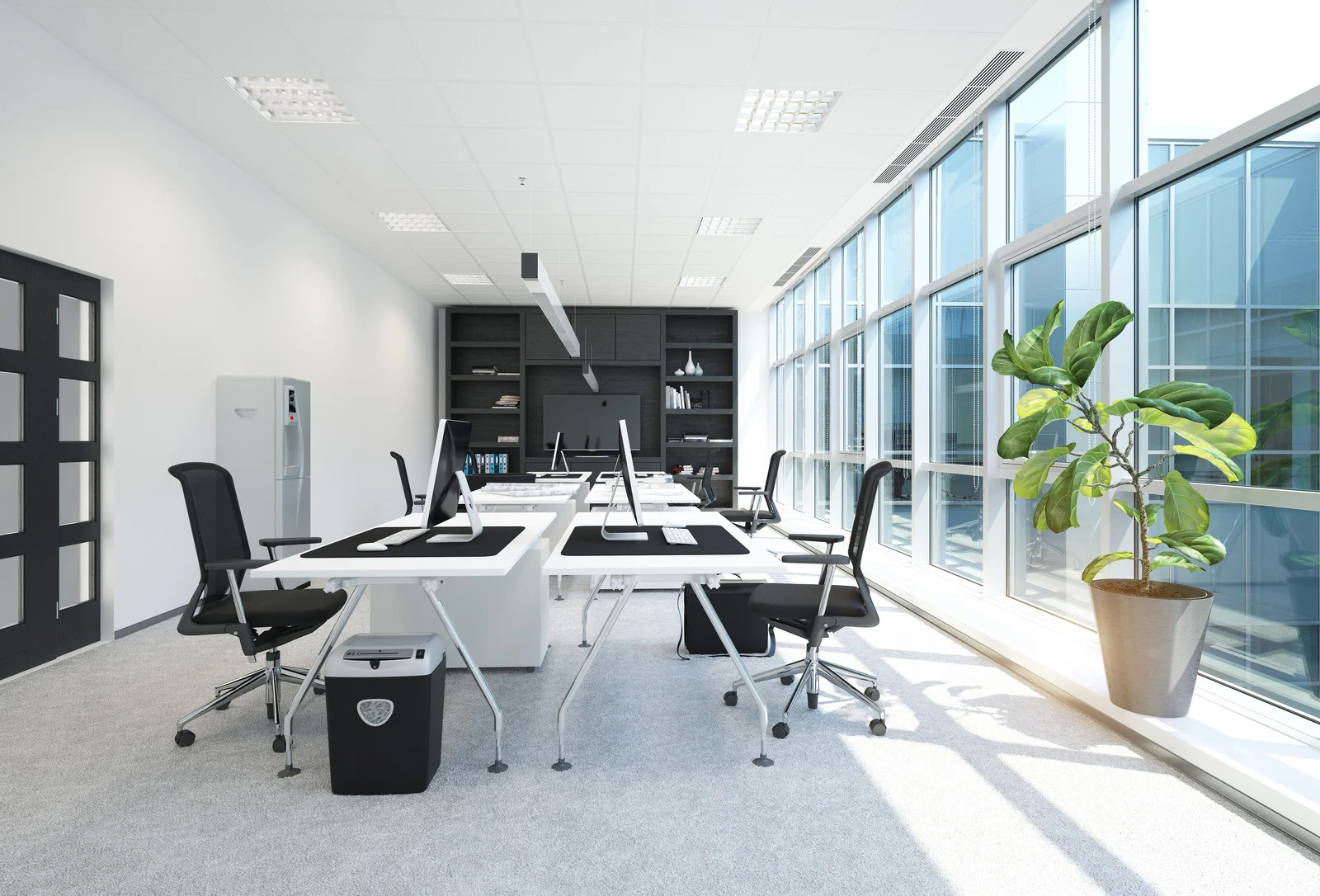
Introduction
Maintaining a clean and hygienic workplace is essential for productivity, employee well-being, and creating a positive impression on clients. However, one of the most common questions businesses face is how often their workspace should be professionally cleaned. While some offices benefit from daily commercial cleaning services, others may find that a weekly schedule is sufficient to maintain cleanliness and operational efficiency.
The decision between daily and weekly office cleaning depends on several factors, including the size of the workspace, employee foot traffic, type of business operations, and industry-specific hygiene standards. Choosing the right cleaning frequency is not just about appearance—it directly impacts workplace health, long-term maintenance costs, and overall business performance. Understanding these variables helps businesses determine the most effective cleaning schedule for their unique needs.
1. Understanding the Scope of Office Cleaning Needs
Evaluating Workspace Usage and Traffic
The number of employees, visitors, and daily activity levels within an office significantly influence cleaning requirements. High-traffic environments—such as corporate offices, medical facilities, and customer-facing businesses—accumulate dirt, dust, and bacteria much faster than low-traffic spaces. In such cases, daily office cleaning ensures that workspaces remain sanitary and presentable throughout the week.
On the other hand, smaller offices with limited staff and minimal foot traffic may not require frequent cleaning. Weekly commercial cleaning services can often maintain cleanliness effectively in these environments without unnecessary operational costs. Assessing how your space is used on a daily basis is the first step in determining the right cleaning frequency.
Identifying High-Priority Areas
Not all areas within an office require the same level of attention. Restrooms, kitchens, reception areas, and shared workspaces tend to accumulate the most dirt and bacteria. These high-touch zones often benefit from more frequent cleaning, even if the rest of the office operates on a less frequent schedule.
Businesses can also adopt a hybrid approach—combining daily cleaning for critical areas with weekly deep cleaning for the entire office. This strategy ensures hygiene standards are maintained without overextending budgets.
2. Benefits of Daily Office Cleaning
Maintaining Consistent Hygiene Standards
Daily cleaning provides continuous sanitation, reducing the spread of germs and allergens in the workplace. This is particularly important in environments where employees work in close proximity or share equipment. Regular disinfection of surfaces, trash removal, and restroom maintenance contribute to a healthier work environment and can reduce employee sick days.
For industries with strict cleanliness requirements—such as healthcare, food services, or high-density offices—daily commercial cleaning services are often essential to meet compliance standards and maintain operational safety.
Enhancing Professional Appearance
A consistently clean office reinforces a strong professional image. Clients, partners, and visitors often form immediate impressions based on the cleanliness of a workspace. Daily cleaning ensures that lobbies, meeting rooms, and common areas remain presentable at all times.
This level of consistency can be especially valuable for businesses that host frequent client interactions, as it reflects attention to detail and a commitment to quality.
3. Benefits of Weekly Office Cleaning
Cost-Effective Maintenance Solution
For businesses with lower activity levels, weekly office cleaning offers a practical balance between cleanliness and cost efficiency. Instead of daily service, a comprehensive weekly cleaning session can address dusting, vacuuming, trash removal, and surface sanitation without the expense of more frequent visits.
This approach is particularly suitable for small offices, remote teams, or businesses that operate on limited schedules, where daily cleaning may not provide significant additional value.
Supporting Long-Term Upkeep
Weekly cleaning allows for deeper, more focused maintenance tasks that may not be prioritized in daily routines. These can include carpet cleaning, detailed dusting, and attention to less frequently used areas. Over time, this helps preserve office furnishings, flooring, and equipment, reducing the need for costly replacements or repairs.
When paired with occasional deep cleaning services, a weekly schedule can effectively maintain both appearance and functionality.
4. Key Factors That Determine the Right Cleaning Frequency
Industry Requirements and Compliance
Certain industries require stricter cleaning protocols due to health and safety regulations. Medical offices, laboratories, and food-related businesses often require daily or even multiple cleanings per day to meet compliance standards. In contrast, administrative offices or creative workspaces may operate effectively with less frequent cleaning.
Understanding industry-specific expectations ensures that businesses maintain both cleanliness and regulatory compliance.
Office Size and Layout
Larger offices with multiple departments, shared spaces, and high employee density typically require more frequent cleaning. Open-plan offices, in particular, can accumulate dust and debris quickly due to constant movement and shared usage.
Smaller or segmented office layouts may allow for more flexible cleaning schedules, where certain areas receive more attention than others based on usage patterns.
Employee and Client Expectations
Workplace cleanliness directly impacts employee satisfaction and productivity. A well-maintained environment contributes to morale, while neglected spaces can lead to discomfort and reduced efficiency. Additionally, businesses that regularly host clients or customers may need more frequent cleaning to maintain a professional atmosphere.
Balancing internal expectations with external impressions is key to choosing the right cleaning plan.
5. Daily vs Weekly Cleaning: Choosing the Right Approach
When Daily Cleaning Is the Better Choice
Daily office cleaning is ideal for businesses with high foot traffic, shared workspaces, or strict hygiene requirements. It ensures consistent sanitation, reduces health risks, and maintains a polished appearance throughout the week. Companies that prioritize client-facing operations often benefit from the reliability and consistency of daily service.
In these environments, skipping regular cleaning can quickly lead to visible clutter and hygiene concerns, making daily maintenance a necessary investment rather than an optional expense.
When Weekly Cleaning Is Sufficient
Weekly commercial cleaning services are well-suited for smaller offices, low-traffic environments, or businesses with limited in-person operations. This approach provides thorough maintenance without unnecessary frequency, making it a cost-effective solution for maintaining a clean workspace.
For many businesses, combining weekly cleaning with periodic deep cleaning services offers a balanced approach that addresses both routine maintenance and long-term upkeep.
6. Creating a Customized Cleaning Plan
Combining Frequency for Maximum Efficiency
Many businesses find that a one-size-fits-all approach does not fully address their cleaning needs. A customized plan—incorporating daily cleaning for high-use areas and weekly cleaning for less active spaces—provides flexibility and efficiency. This tailored approach ensures that resources are allocated where they are needed most.
Working with a professional commercial cleaning provider allows businesses to assess their specific requirements and develop a schedule that aligns with operational demands and budget considerations.
Partnering with Professional Cleaning Services
Professional cleaning companies bring expertise, specialized equipment, and proven processes to maintain office environments effectively. Whether implementing daily office cleaning or a weekly maintenance plan, professional services ensure consistent quality and attention to detail.
By partnering with experienced providers, businesses can focus on core operations while maintaining a clean, safe, and welcoming workplace.
Conclusion
Choosing between daily and weekly office cleaning is not a one-size-fits-all decision. It requires a careful evaluation of workspace usage, industry standards, employee needs, and budget considerations. While daily cleaning offers consistent hygiene and a polished appearance, weekly cleaning provides a cost-effective solution for lower-traffic environments.
By understanding the specific needs of your business and exploring flexible cleaning strategies, you can create a maintenance plan that supports both operational efficiency and long-term workplace health. Investing in the right cleaning frequency not only enhances your office environment but also contributes to productivity, employee satisfaction, and a strong professional image.
Catanzaro’s Power Washing LLC provides professional commercial cleaning and exterior maintenance services to residential and commercial properties throughout Monroe Township, New Jersey. With extensive experience in property care and sanitation, our team emphasizes precision, consistency, and long-term facility upkeep. By combining advanced cleaning methods with careful attention to high-touch surfaces, shared spaces, and structural elements, our professionals help businesses maintain hygienic, professional environments that support productivity and positive client impressions. Our commitment to high standards and dependable service continues to position us as a trusted authority in commercial cleaning and property maintenance solutions.
Leave a Comment
Latest Post
-
 How Often Should You Power Wash Your Property?
March 24, 2026
How Often Should You Power Wash Your Property?
March 24, 2026
-
 What Surfaces Should Be Soft Washed Instead of Pressure Washed?
March 24, 2026
What Surfaces Should Be Soft Washed Instead of Pressure Washed?
March 24, 2026
-
 What to Expect During an Exterior Painting Project (Step-by-Step)
March 24, 2026
What to Expect During an Exterior Painting Project (Step-by-Step)
March 24, 2026